
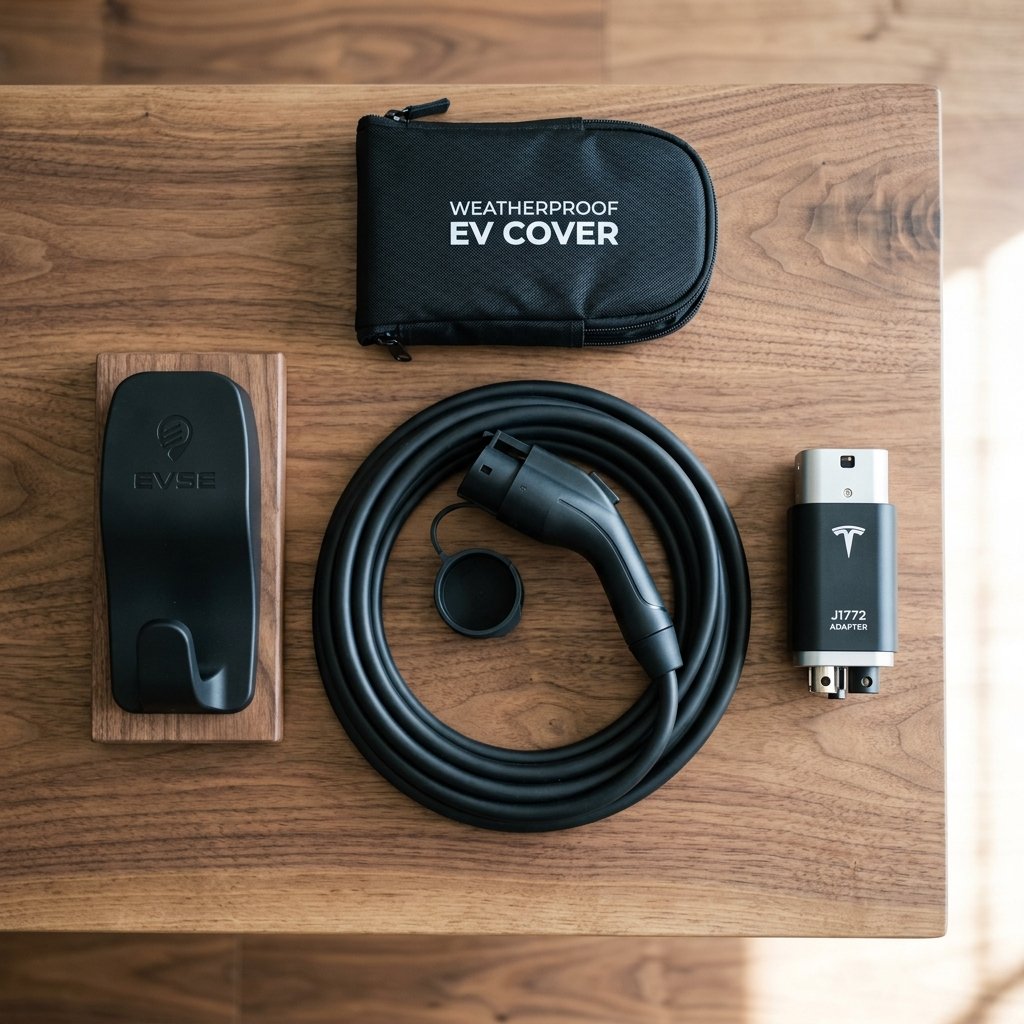
Electric vehicles (EVs) are becoming a staple for eco-conscious commuters, and a reliable, fast home charging solution is essential for maximizing convenience and savings. Upgrading to a Level 2 EV charger can dramatically cut charging times compared to standard Level 1 chargers, but how much does it cost to install one at home in 2026? This comprehensive guide breaks down the costs, installation considerations, available incentives, a hiring checklist, and even some of the best Level 2 chargers you can purchase today.
The Difference Between Level 1 and Level 2 EV Charging
Level 1 Charging: Standard 120V Outlet
- Uses a regular household 120-volt outlet.
- Provides charging at about 3 to 5 miles of range per hour.
- Ideal for light users who can charge overnight.
- No extra installation required; charger usually comes with the vehicle.
Level 2 Charging: Faster 240V Outlet
- Requires a dedicated 240-volt circuit and charger.
- Offers 15 to 30 miles of range per hour charging speed.
- Perfect for daily commuters and fast turnaround charging.
- Needs a professional electrician for installation.
Cost Breakdown for Level 2 EV Charger Installation
Hardware Cost: 350to700
Level 2 chargers vary depending on features and brand quality:
- Basic models start around $350.
- Premium chargers with smart apps and faster charging reach up to $700 or more.
Here are some top recommended Level 2 chargers with links for easy purchase:
| Charger Model | Key Features | Price Range | Buy on Amazon |
|---|---|---|---|
| Emporia Level 2 Charger | Compact, energy monitoring | 350−450 | Emporia on Amazon |
| Wallbox Pulsar | Smart, Wi-Fi enabled, compact | 500−600 | Wallbox Pulsar on Amazon |
| ChargePoint Home Flex | High power, app control, reliability | 650−700 | ChargePoint on Amazon |
Professional Electrician Installation Cost: 400to1,500+
- Installation cost depends on electrical setup and labor rates.
- Simple setups typically cost around $400.
- Complex installations involving wiring or panel upgrades can reach $1,500 or more.
When Do You Need an Electric Panel Upgrade?
If your home’s electrical panel is outdated or doesn’t have enough capacity, a panel upgrade may be necessary:
- Homes with panels less than 200 amps may require a 200-amp panel upgrade.
- This upgrade ensures the electrical system can safely support a Level 2 charger and other household demands.
- Panel upgrades typically add between 1,500and1,500and3,000 to the total installation cost.
- Permit, inspection, and labor fees are included in this upgrade cost.
Tax Credits & Incentives to Lower Costs
US Federal Tax Credits
- The Alternative Fuel Infrastructure Tax Credit reimburses up to 30% of the cost of purchasing and installing EV chargers.
- Maximum credit is typically $1,000.
- Good documentation of expenses is important for claiming.
Local Utility Rebates
- Many utility companies offer rebates between 100and500.
- Some provide special rates or programs for off-peak EV charging.
- Check with your local utility for available offers.
Checklist for Hiring an Electrician to Install Your Level 2 Charger
- Verify Licensing and Insurance — Make sure the electrician is licensed and insured.
- Look for EV Installation Experience — Ask for references of past Level 2 charger installations.
- Obtain Multiple Quotes — Get at least three estimates to compare prices.
- Confirm Permit and Inspection Coverage — Ensure estimates include permitting fees and inspection handling.
- Discuss Potential Panel Upgrades — Get an early assessment of your panel capacity to estimate total costs.
- Request a Detailed Contract — The contract should include scope, timeline, payment terms, and warranties.
- Plan for Future Needs — Consider capacity for multiple EVs if planning to expand.
Why Home Charging is the Most Cost-Effective Way to Power Your EV
Charging your EV from home with a Level 2 charger is not only convenient but also very cost-effective compared to using public chargers or fossil-fueled vehicles. To understand your exact savings and return on investment, check out the comprehensive Ultimate 2026 EV Savings & ROI Guide and use the interactive EV Commuter Savings & ROI Calculator.
FAQ: Installing a Level 2 EV Charger at Home
How long does installation take?
Typically, installation can take from a few hours up to a full day depending on complexity.
Can I install a Level 2 charger myself?
DIY installation is not recommended unless you are an expert electrician.
Are there ongoing maintenance costs?
Maintenance is minimal; just periodic checks and cleaning.
What if my home doesn’t have a 240V outlet?
An electrician will need to install a dedicated 240V circuit.
Will installation increase my home insurance?
Usually not, but confirm with your provider.
Upgrading to a Level 2 EV charger at home is a smart move for any savvy EV owner looking to save time and money on daily charging. With these cost insights, installation tips, and product recommendations, you’re well-equipped to make an informed decision.
Ready to pick your charger? Check out these highly rated, popular Level 2 EV chargers available on Amazon:
For more personalized insights into the savings from EV ownership and home charging, visit the Ultimate EV Savings & ROI Guide and try the EV Commuter Savings & ROI Calculator.