
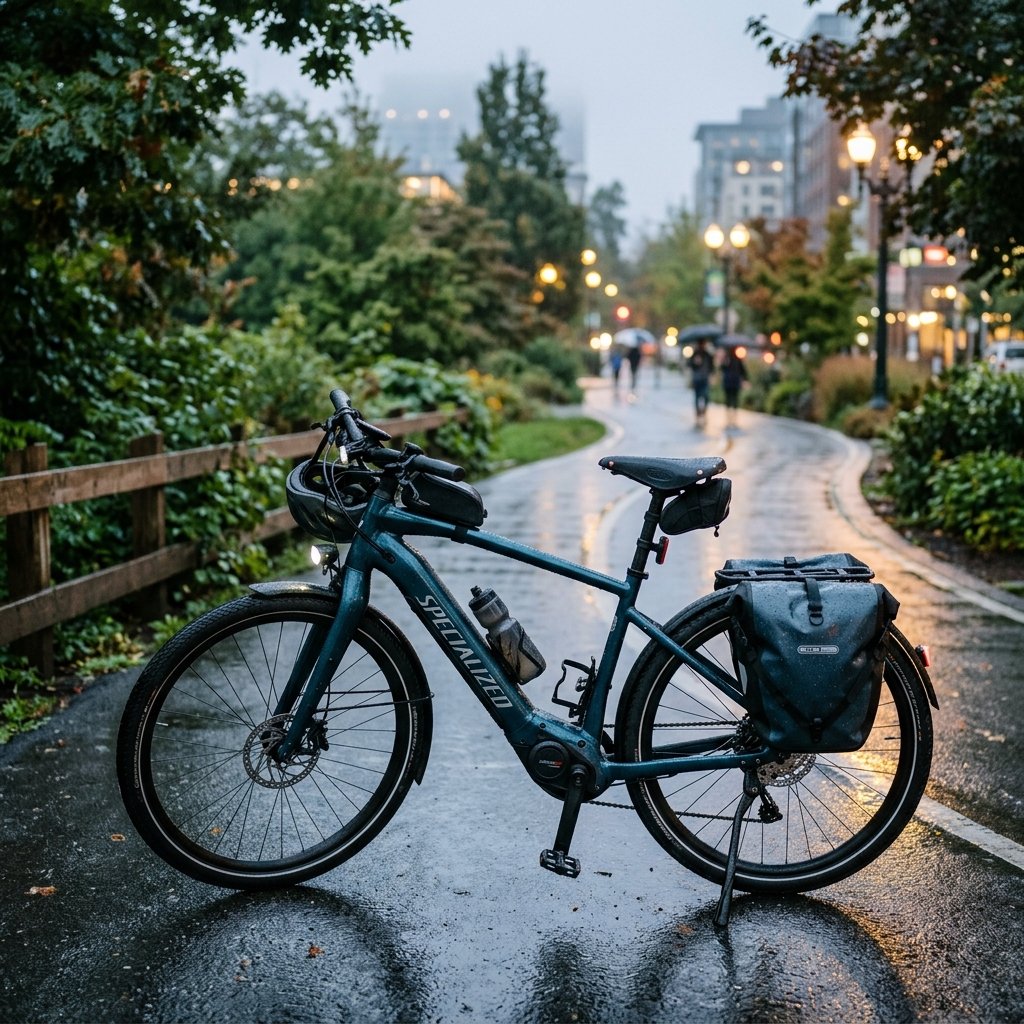
Riding an electric bike (e-bike) during winter and rainy seasons poses unique challenges. To ensure the safety, performance, and longevity of your e-bike, it’s essential to weather-proof its components, protect the battery from cold, adapt to wet road conditions, and follow simple maintenance routines. This comprehensive guide covers everything you need to confidently ride your e-bike in adverse weather conditions.
Weather-Proofing Your E-Bike Components
To safeguard your e-bike against rain, snow, and cold:
- Frame and Fittings: Apply protective sprays or wax to the frame to prevent corrosion.
- Sealed Bearings and Connectors: Ensure that bearings and electrical connectors are sealed or covered with protective boots.
- Fenders and Mudguards: Install full-coverage fenders to reduce splashes and dirt buildup.
- Waterproofing Electronics: Use weatherproof covers for the display, controller, and wiring harness.
Protecting Your Battery in Cold Temperatures (Below 40°F)
Cold weather can significantly reduce battery efficiency and lifespan. Protect your battery by:
- Storage: Store the battery indoors at room temperature when not in use.
- Charging: Charge the battery indoors where it is warm; avoid charging when the battery is too cold.
- Insulation: Use insulated battery covers or thermal wraps to maintain optimum temperature during rides.
- Monitor Battery Levels: Cold temperatures can cause the battery to drain faster; plan rides accordingly.
For more detailed insights on battery maintenance and lifespan, visit our E-Bike Battery Lifespan & Replacement Guide.
Safety Tips for Wet and Slick Roads
Riding in wet conditions requires extra caution:
- Slow Down: Reduce speed to maintain better control and reaction time.
- Avoid Sudden Movements: Avoid quick turns or abrupt stops that could cause slipping.
- Use Wider Tires: Tires with better grip and wider surface area enhance stability.
- Increase Visibility: Wear bright or reflective clothing and keep lights on.
Braking Techniques for Wet Conditions
Effective braking is crucial for safety:
- Use Both Brakes: Apply both front and rear brakes smoothly and progressively to prevent skidding.
- Extend Stopping Distance: Wet roads increase braking distance; allow more space.
- Test Brakes Before Riding: Ensure brakes are responsive and not compromised by moisture.
Simple Maintenance Routines to Prevent Rust
Regular maintenance helps your e-bike withstand harsh weather:
- Clean After Every Ride: Wipe down the frame, chain, and components to remove moisture and dirt.
- Lubricate Moving Parts: Use appropriate lubricants for chains and pivots to prevent corrosion.
- Inspect for Damage: Check cables, brake pads, and tires regularly for wear.
- Dry Thoroughly: Store your e-bike in a dry place and avoid prolonged exposure to moisture.
Conclusion
Riding an e-bike in winter and rain is entirely feasible with the right preparation and care. Weather-proofing your bike, protecting the battery, adapting your riding style to wet conditions, mastering braking techniques, and sticking to regular maintenance routines will keep your rides safe, enjoyable, and your e-bike in great shape throughout the year.
Explore our ⚡ Commuter EV Savings ROI Calculator to see how e-bike ownership can be a smart investment even in challenging weather conditions.
FAQs
Can I ride my e-bike in heavy rain or snow?
While possible, it’s best to avoid extreme weather to prevent damage and ensure safety.
How do I keep my battery safe during freezing temperatures?
Store indoors, charge when warm, and use insulation during rides.
What type of tires is best for wet and slick roads?
Wider tires with deeper treads provide better grip.
How often should I perform maintenance in winter?
Clean and lubricate after every wet ride to prevent rust.
Does using an insulated battery cover extend battery life?
Yes, it helps maintain optimal temperature, improving performance and lifespan.